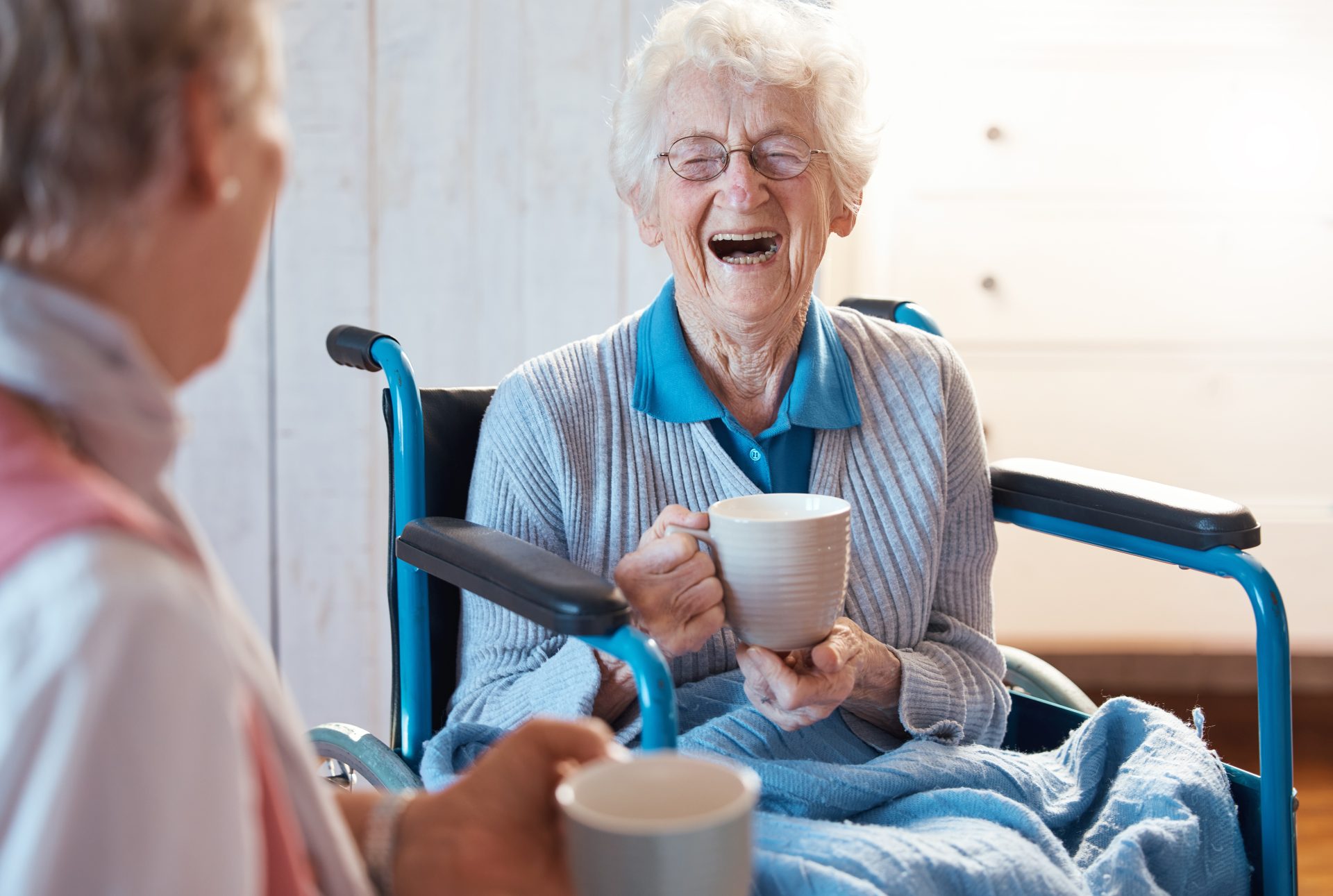
As a licensed general contractor specializing in residential accessibility here in Utah, I can tell you that the desire to remain in one’s own home—or “age in place”—is nearly universal. We see the statistics every day: well over 85% of older adults want to stay put. Yet, the reality is that the vast majority of houses built over the last century were designed for convenience, not for longevity and varying mobility.
Successfully transitioning a home into a supportive, accessible, and truly lifelong environment is an investment in safety and independence. It requires thinking beyond simple fixes like throw rugs and instead focusing on structural, permanent modifications. Based on our extensive experience handling B100 projects across the state, here are the seven modifications we consider non-negotiable for a truly safe aging-in-place strategy.
1. Vertical Mobility: Moving Beyond the Stairlift
The most immediate hazard in any multi-story home is the staircase. While a stairlift is a common first step, it often falls short in the long run because it limits wheelchair or walker use.
- The Contractor’s Recommendation: Install a compact residential elevator or a specialized through-floor lift, like the Stiltz system we often work with. These units require surprisingly minimal footprint and allow a person to transition between floors, even with a mobility device, safely. They are a definitive, permanent solution that future-proofs the home’s functionality, often significantly boosting the property’s future appeal. You can explore the full range of vertical solutions we offer, including installation and maintenance, by visiting our dedicated Stiltz Lift Installs and Service page.
2. The Curbless Shower: Essential Bathroom Safety
In our line of work, we know that the bathroom is statistically the most dangerous room in the house. Standard tubs and shower curbs create a trip hazard that is just waiting to happen.
- The Contractor’s Recommendation: Demolish the standard shower/tub unit and install a curbless, roll-in shower. This means the shower floor is flush with the bathroom floor—no curb, no barrier. This needs to be done right, ensuring proper subfloor slope and waterproofing. Combine this with the appropriate placement of load-bearing grab bars (not just suction-cup grab bars) and an adjustable handheld shower wand. This eliminates the #1 cause of central indoor falls.
3. Optimizing Doorways and Hallways
Many older homes were built with standard 28- or 30-inch doors. Once a walker or wheelchair enters the picture, these spaces become frustrating bottlenecks.
- The Contractor’s Recommendation: Widen all critical-path doorways (main entry, bedrooms, bathrooms) to provide at least 32 inches of clear width. This usually involves minor frame adjustments. Simultaneously, ensure all main hallways maintain a clear, unobstructed path of at least 36 inches. This isn’t just about future wheelchair access; it’s about making routine movement effortless and reducing the risk of bumping into walls, which can destabilize a person.
4. Rethinking Lighting and Contrast
As we age, our eyes require significantly more light to perform the same tasks, and our ability to perceive contrast diminishes. This makes simple changes in floor level or shadow-filled corners deadly.
- The Contractor’s Recommendation: Go beyond simply replacing bulbs. Focus on layered lighting: bright task lighting in kitchens and workspaces, good ambient light everywhere, and strategic accent lighting. Install high-contrast switches and outlets—light plates on dark walls, and vice versa—to make them instantly visible. We also recommend sensor-driven lighting, especially in transition areas such as stair landings and closets.
5. Lever Handles Over Knobs
Grasping and turning a round doorknob or faucet handle can become difficult, even painful, due to arthritis or reduced hand strength.
- The Contractor’s Recommendation: Systematically replace all round knobs with lever-style handles. This applies not only to doors but also to kitchen and bathroom faucets. A simple tap of the wrist or elbow is all that’s needed to operate a lever, preserving independence for everyday tasks.
6. Kitchen Task Accessibility
An inaccessible kitchen often means a diminished capacity to maintain a healthy, independent lifestyle.
- The Contractor’s Recommendation: Look at the workspace. Installing pull-out shelving in lower cabinets drastically improves access without bending. The key modification, however, is to provide a section of lowered countertop—accessible from a seated position—and to ensure the sink is usable without cabinetry underneath (a knee space). These changes preserve the ability to prepare meals and maintain nutrition.
7. Safe and Stable Entry Points
The point of entry is critical. A single high step or uneven surface leading into the home is a significant liability.
- The Contractor’s Recommendation: Eliminate unnecessary steps at the primary entry, and create a level transition from the walkway to the door sill. If steps are unavoidable, install durable, low-slope, non-slip ramps and ensure sturdy handrails are present on both sides. Significantly, these railings should extend past the first and last steps to provide support throughout the ascent or descent.
Aging in place successfully is a journey that requires expertise. By addressing these seven critical areas with a licensed professional, you are not just renovating a house; you are designing a secure future. For more comprehensive information on the benefits and data supporting these home changes, the National Institute on Aging (NIA) provides excellent, research-backed resources on preparing your home and life for later years.