
The Small Footprint Advantage: Why Stiltz Duo and Trio Lifts Work in Confined Spaces
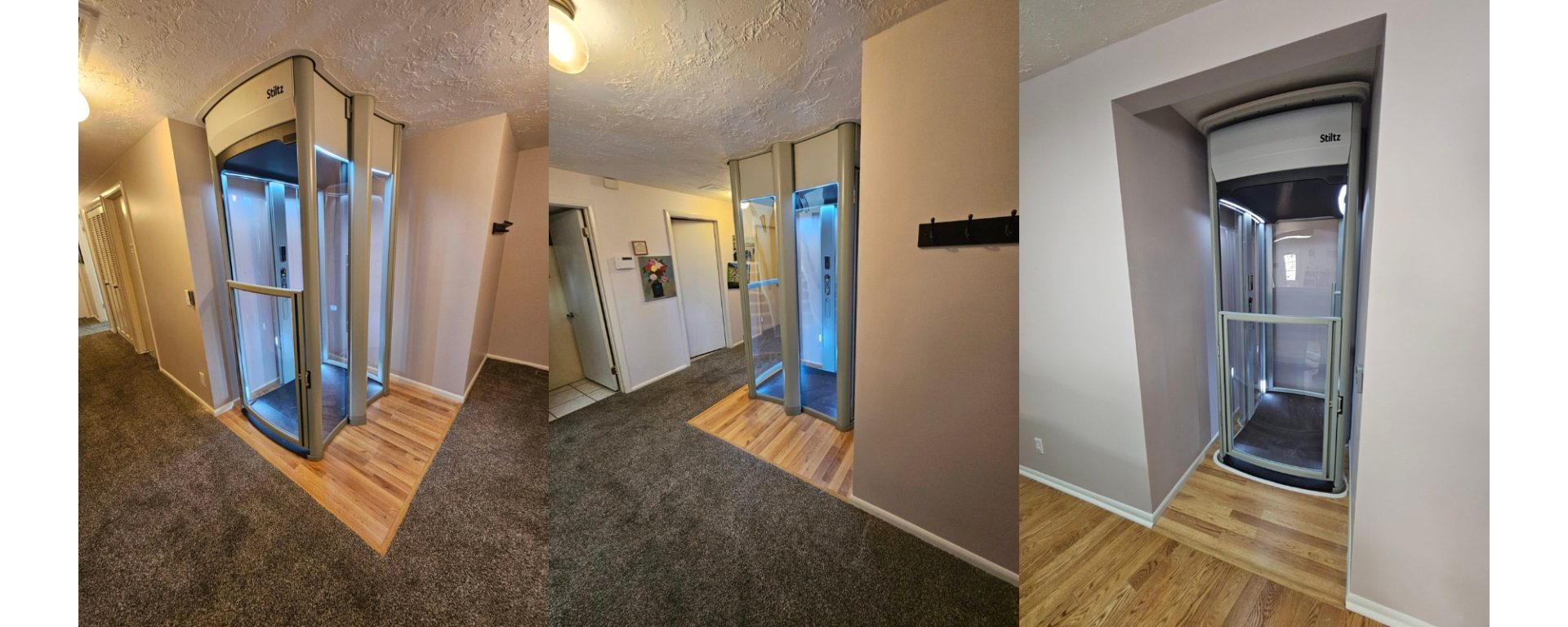
Homeowners across Utah often come to us believing that adding a functional residential elevator is out of the question due to space constraints. The prevailing image is one of large, cumbersome traditional systems—hydraulic or traction-based—that demand a hefty pit carved into the foundation, thick supporting walls, and an entirely separate machine room. This complexity and bulk make them impractical for many established, smaller, or architecturally specific residences.
At PLH Home Solutions, we specialize in challenging that old perception. The Stiltz line of home lifts, particularly the two-person Duo and the wheelchair-capable Trio models, represents a fundamental shift in vertical mobility technology. Their unique, self-contained, dual-rail design provides an elegant and viable solution that integrates seamlessly into locations previously considered too confined.
Here is an analysis of the core engineering differences that give Stiltz lifts their crucial slight footprint advantage:
1. Eliminating the Three Structural Demands
The most significant barrier to retrofitting a traditional elevator is the heavy construction required: the pit, the hoistway, and the machine room. Stiltz engineering renders all three obsolete.
- No Pit Required: Traditional elevators require a bottomless pit (often several feet deep) beneath the floor to ensure the car sits flush with the landing. Stiltz lifts require only a minimal recess of approximately three inches, or they can sit directly on the existing floor with the addition of a small, gently angled ramp. This dramatically reduces structural work.
- No Machine Room: The entire drive mechanism—a quiet, electric roped drum system—is discreetly concealed within the lift car’s roof space. This complete integration eliminates the need for an external mechanical closet, freeing up valuable floor space elsewhere in the home.
- No Load-Bearing Walls: The lifts are designed around a self-supporting vertical twin-rail system—the namesake “stilts”—which bears the entire load. The structure is freestanding, meaning you do not need to construct a traditional, reinforced elevator shaft or compromise the integrity of existing load-bearing walls.
2. Micro-Footprint and Through-Floor Installation
The genius of the Stiltz design lies in its compact size and unique operating method.
- The Duo Alta: Engineered for two passengers, it occupies a tiny footprint of approximately 8.5 square feet. This slender design makes it small enough to install in often-neglected areas:
- The corner of a living room or dining area.
- A large linen or walk-in closet.
- The unused void space in a stairwell landing.
- The Trio Alta: The Trio model is dimensionally larger to accommodate a full-sized wheelchair or up to three standing passengers, yet it still maintains an incredibly efficient footprint of about 15 square feet. This is critical for homeowners focused on long-term accessibility, ensuring compliance for wheelchair users without sacrificing excessive space.
- Minimal Disruption: The lift travels through a simple, structurally reinforced aperture cut directly into the ceiling. When the lift is upstairs, a floor lid covers the opening, minimizing its visual impact and maximizing usable floor area below.
3. Simplified Electrical and Installation Process
The Stiltz design streamlines installation, resulting in less noise, less debris, and a shorter project timeline—often just a few days.
- Standard Power Plug-in: Unlike the heavy-duty three-phase power or hydraulic components required by conventional lifts, the Stiltz system plugs into a standard 220V or 110V dedicated wall outlet, consuming power comparable to a major kitchen appliance. This eliminates the need for complex and costly electrical service upgrades.
- Placement Versatility: The self-contained structure allows the lift to be placed in areas where a hoistway is impossible, such as adjacent to a wall or tucked under the eaves of a roofline, maximizing the utilization of awkward or “dead spaces.”
In essence, the slight footprint advantage of the Stiltz Duo and Trio lifts is a direct result of advanced engineering that integrates the drive system and relies on a self-supporting structure. This capability makes vertical mobility attainable for nearly every homeowner in Utah, proving that luxury and accessibility no longer require sacrificing precious square footage.
Call Us
801-597-5908
ADDRESS
2702 South 3600 West suite A West Valley City, UT 84119
OPENING HOURS
Monday to Friday: 9:00 AM - 5:00 PM